

Commercial Solar Energy in 2026: What Businesses Need to Know About Rising Electricity Costs
Rising electricity costs have businesses exploring commercial solar energy. Learn how community solar may help reduce utility expenses without rooftop panels.
Read More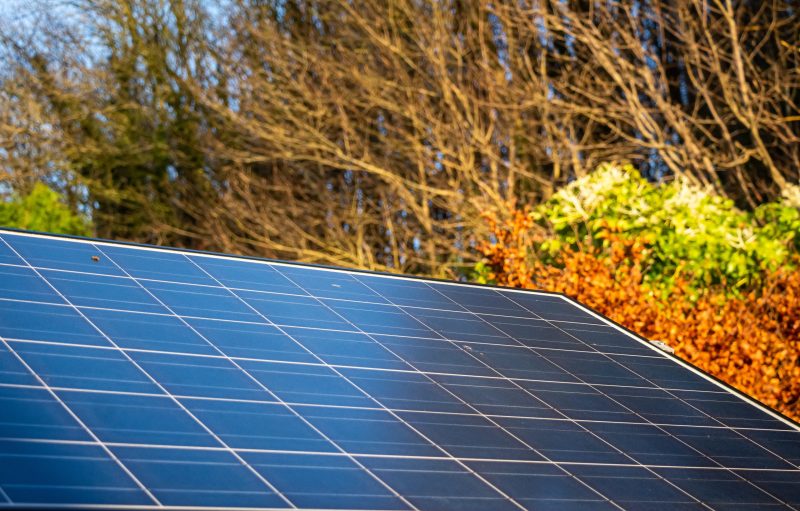
Renewables Worldwide: Why Fall Is the Best Time to Go Solar
Renewables Worldwide is more than your everyday energy broker. We’re a dedicated team of industry veterans committed to helping homeowners save thousands on energy costs while working toward a more eco-friendly future.
That commitment is expressed in our craftsmanship. We customize every solar system to your home’s needs, ensuring you get a solution tailored to your property and energy goals.
While you don’t have to complete a solar installation before winter, starting the process in the fall can help you get ahead of the spring rush.
Avoid Permit Delays and Save Time
Winter installation can work in your favor because demand is often lower during the colder months. With fewer projects in the pipeline, energy professionals may have more availability to focus on your home.
Before installation can begin, however, your renewable energy system may require several permits and approvals. Starting the process early gives you more time to complete the necessary paperwork and avoid likely delays.
Depending on your location and system, these requirements may include but are not limited to the following…
- Building Permit: Confirms that your roof and structure can safely support the solar system, including additional weight and wind loads.
- Electrical Permit: Wiring, inverters, and other electrical components must meet electrical and fire codes. Requirements may involve a licensed electrician.
- Utility Interconnection Application: Requests approval from your local utility to safely connect your solar system to the electrical grid.
- Fire Safety Review: May be required to ensure the panel layout provides appropriate access for emergency responders.
Permit and approval requirements vary by state and municipality, but starting early can help you better plan your project schedule.
The Challenges of Winter Weather
Fall is an ideal time to start the process because it helps you avoid both the spring rush and some of the challenges that come with winter weather.
Safety is always a priority for our clients and employees. Heavy snow, ice, high winds, and severe winter storms can create unsafe working conditions and may lead to installation delays.
By beginning the process in the fall, you can avoid potential weather-related setbacks.
Fall Creates Ideal Working Conditions
Getting a head start on design, permitting, and utility paperwork can help position your project for installation before winter arrives.
Fall often brings mild temperatures and favorable working conditions—not too hot and not too cold. The season can also offer fewer weather disruptions than the winter months, helping keep construction on schedule.
Most importantly, starting early can help you get your solar system up and running before winter brings increased power needs and shorter daylight hours.
Choose Renewables Worldwide for Your Energy Needs
Clean energy starts with choosing the right partner.
At Renewables Worldwide, our experienced team will guide you through the process, from system design and permitting to installation and beyond. We’ll work with you to create a solar solution customized to your home and energy needs.
Don’t wait for the spring rush. Start planning your solar project today. Check out our website or call 800-480-4751 to get started.
Read More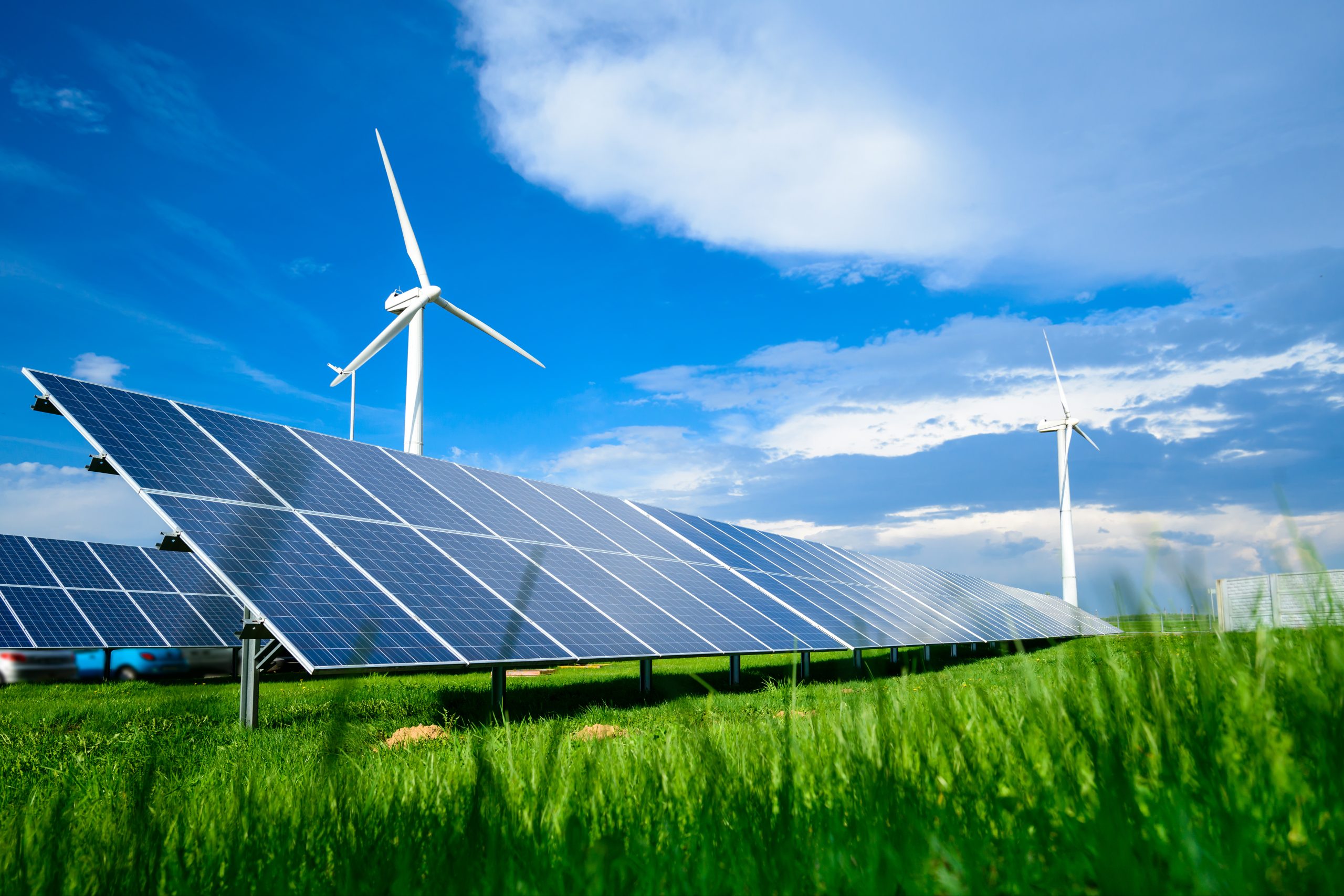
Energy Solutions: How Does Solar Energy Stack Up?
All energy solutions have their benefits and drawbacks. Here’s how community solar stacks up against the alternatives.
Read More
4 Ways Switching to Commercial Solar Energy Benefits Your Community
Here are four meaningful ways commercial solar energy benefits your entire community.
Read More
Tips from a Solar Energy Broker: Optimizing Energy Usage
Maximizing your energy usage can save you thousands of dollars every year. Here are a few easy tips to get you started.
Read More
Does Community Solar Make Sense in New Hampshire?
With all the hype around sustainability, does community solar energy in New Hampshire make sense? Here’s our take.
Read More
Our Experts Offer an Inside Look into Different Solar Farms
Solar farms have been popping up all over the United States, and Renewables Worldwide is proud to be a part of the solar movement!
Read More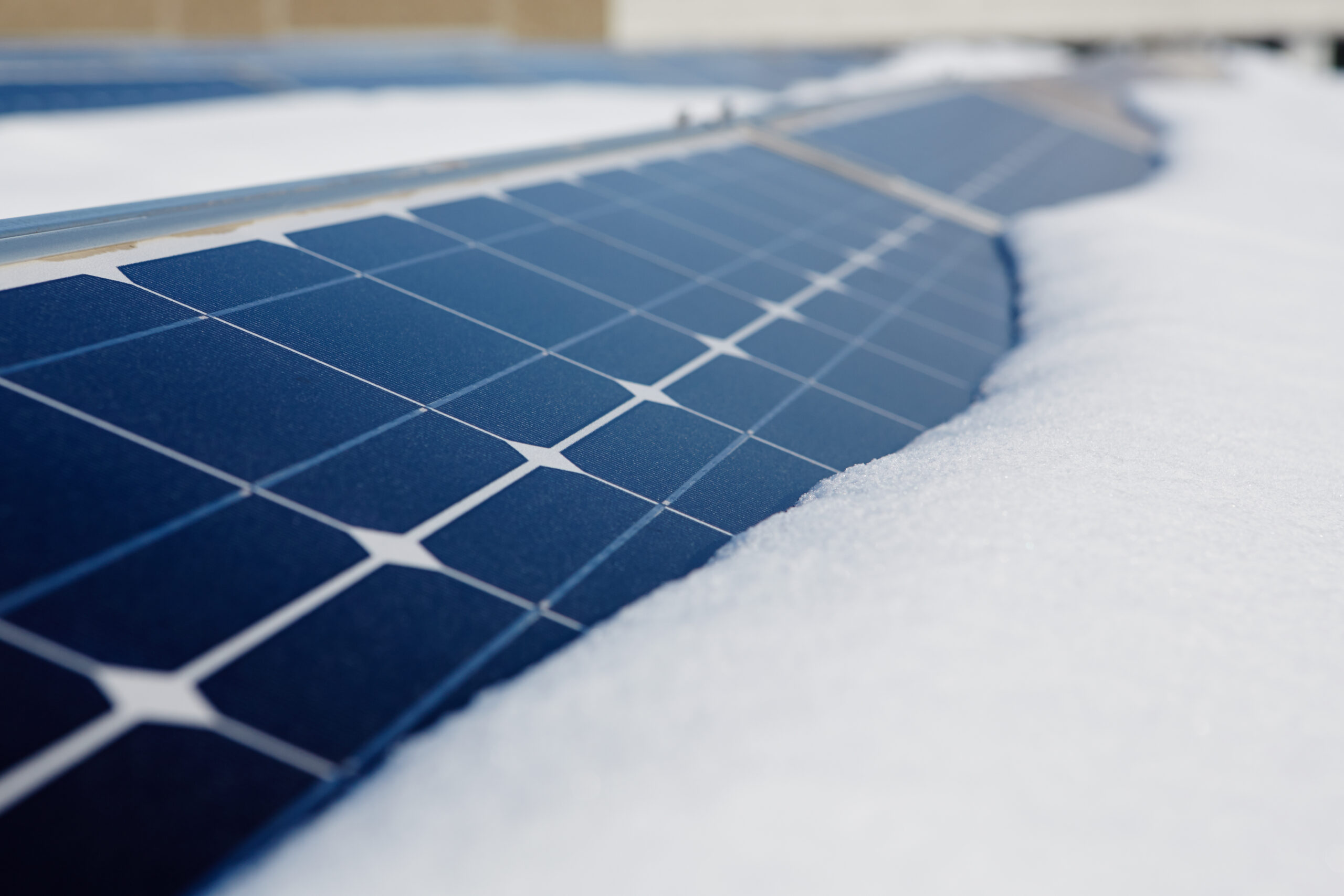
How Efficient Are Solar Farms in the Winter?
When we see photos of solar farms, they are usually on bright, sunny days that look like spring or summer. Because solar panels turn sunlight into electricity, it makes sense to visually associate a solar farm with a bright, sunny day. However, we all know that the weather is not always sunny, especially in the northeastern United States. In fact, in the winter months, the weather is often overcast, and the days are short. So, how efficient are solar farms in the winter?
Can solar farms still operate efficiently in the winter months? Here’s a look at how winter weather affects the output of solar panels.
Increased Efficiency vs. Reduced Sunlight Hours
Two factors affect the performance of solar panels in the winter: colder temperatures and reduced sunlight hours. Despite what you might expect, these factors have different effects on solar panel performance. Solar panels actually perform better in colder temperatures, increasing their energy output. However, the days are shorter in the winter, reducing the overall amount of sunlight hours. Whether these two factors cancel each other out depends on the circumstances, but solar panels are still a viable energy source in the winter.
Panel Angle Optimization
The angle of the solar panels has a huge impact on their efficiency at any time of the year. The sun’s relative position changes throughout the year, so optimizing the angle of the panels is essential for maximum efficiency. However, the best angle for the solar panels depends on more than just the time of year. The geographical location and altitude also have to be taken into account to maximize sun exposure.
Snow Accumulation
Snow can benefit and hinder solar panel performance. If snow accumulates on the panels, it blocks sunlight. On the other hand, snow on the ground can improve energy output because sunlight reflects off the surface of the snow. While we don’t have any control over how much snow is on the ground, we can control the buildup on the panels. Solar panels are installed at an angle so snow and debris can slide off. Sometimes, it’s necessary to have technicians manually remove snow from the panels.
Community Solar Farms | Renewables Worldwide
Our team at Renewables Worldwide is committed to making community solar farms accessible to as many people as possible. Not only is solar power good for the planet, it is also an affordable energy source for many small businesses.
Contact our team to learn more about joining a community solar project.
Read More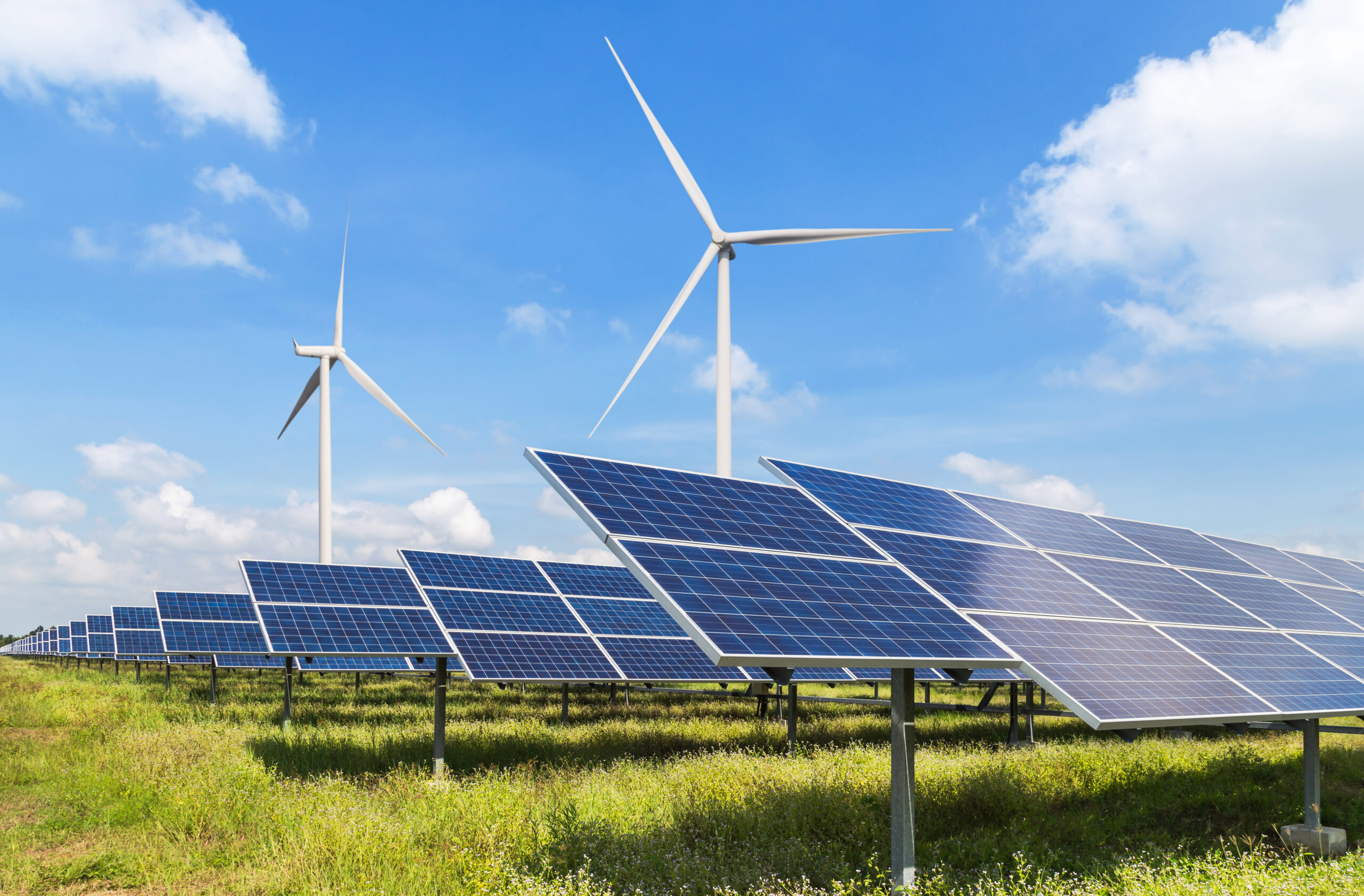
What Are The Top Types of Renewable Energy Solutions?
Renewables Worldwide is committed to finding more efficient energy solutions that are affordable and available for everyone!
Read More
Looking to the Future: Top Renewable Energy Solutions
There are multiple renewable energy solutions available around the world. Here’s a look at the top sources.
Read More