Community Solar Massachusetts: Why 2026 Is a Defining Year for Solar Energy
Massachusetts has long been recognized as one of the nation’s leaders in renewable energy, but 2026 is shaping up to be one of the most important years yet for community solar projects in Massachusetts. As electricity costs remain a concern for residents and businesses, state leaders continue refining policies that make clean energy more accessible while strengthening the electrical grid.
Community solar has become an increasingly attractive solution. It allows people to benefit from solar power without installing panels. Whether renting an apartment, owning a home, or simply wanting a lower barrier to entry into renewable energy, community solar provides an opportunity to participate in a clean energy future.
At the same time, new incentive programs, evolving regulations, and advances in solar technology are making community projects more efficient and financially sustainable than ever before.
Understanding Community Solar
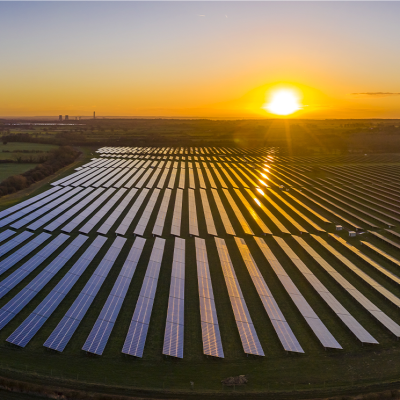
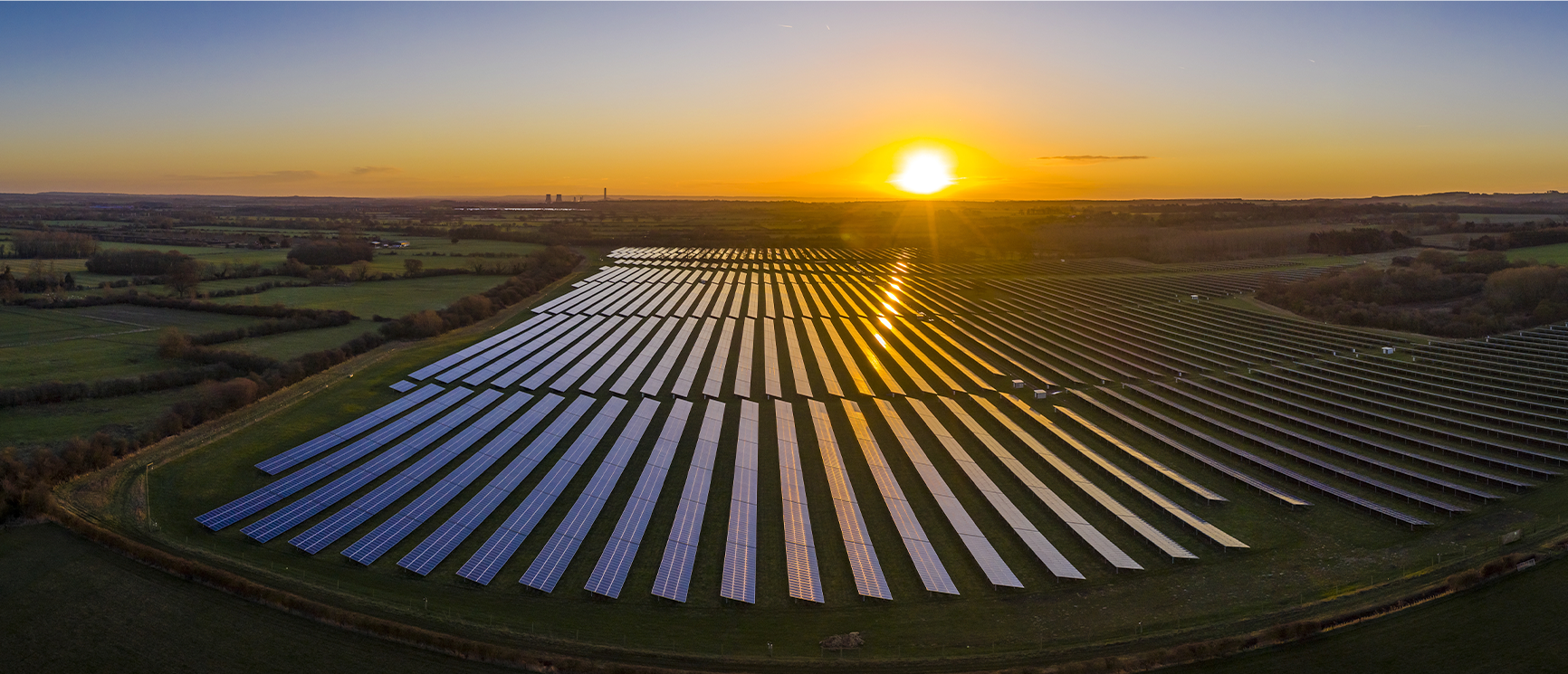
Community solar allows multiple households, businesses, nonprofits, or municipalities to subscribe to a shared solar array located elsewhere in their utility territory. Instead of producing electricity from rooftop panels, subscribers receive credits on their electric bills. These credits are based on the energy generated by their portion of the project. Massachusetts continues to support Community Shared Solar as a way to expand access to renewable energy for residents who may not be good candidates for rooftop systems.
Furthermore, this model removes many of the traditional barriers associated with solar ownership while helping communities reduce their overall carbon footprint.
The Continuing Investment in Solar Growth
While federal renewable energy policies have shifted over the past year, Massachusetts has continued strengthening its own commitment to solar development. State officials have redesigned the SMART incentive program to encourage new solar installations while lowering long term costs for ratepayers.
SMART 3.0 introduces a more flexible incentive structure that adapts as market conditions change. This is a change from relying on fixed declining incentive blocks. The new approach is designed to encourage continued investment while helping projects remain financially viable over time.
For developers, municipalities, and organizations planning community solar projects, this creates a more predictable environment for long term planning.
New Incentives Continue to Emerge
Although the federal residential solar tax credit has changed significantly for systems installed in 2026, Massachusetts continues offering several state-level programs that support solar adoption. These include production based incentives through SMART, state tax benefits, property tax exemptions, and ongoing net metering opportunities that continue delivering value for qualifying projects.
For community solar specifically, Massachusetts has continued emphasizing projects that provide meaningful savings for residents while increasing access for underserved communities.
Many new projects are designed to serve:
- Low income households
- Municipal governments
- Schools
- Nonprofit organizations
- Small businesses
- Multifamily housing developments
This broader accessibility is one of several reasons community solar continues gaining momentum throughout the Commonwealth.
Technology Equals Efficiency
Not surprisingly, solar technology has advanced considerably over the past several years. Today’s photovoltaic panels generate more electricity while occupying less space than previous generations. Further improvements in inverter technology allow systems to maximize production throughout changing weather conditions, while enhanced monitoring software enables operators to identify maintenance needs before they become costly problems.
Battery storage is also becoming a larger part of community solar planning. By storing excess electricity generated during peak sunlight hours, projects are enabled to better balance demand and improve grid reliability.
AI and predictive analytics are another tool that helps operators forecast production, optimize maintenance schedules, and improve overall system performance. These innovations help projects deliver more consistent energy production while improving long term returns.
Supporting Grid Resilience
Electric vehicles, heat pumps, and continued economic development are a few contributors to Massachusetts’ growing electricity demand.
Playing an important role by generating electricity closer to where it is consumed, community solar reduces strain on transmission infrastructure and helps utilities better manage peak demand.
State regulators have also introduced new approaches to funding grid upgrades, making it easier to integrate additional renewable energy projects while balancing costs among stakeholders.
Businesses Are Seeing New Opportunities
Community solar is no longer just a residential conversation. Instead, businesses increasingly view solar subscriptions as part of broader sustainability initiatives while reducing operating expenses.
Organizations pursuing Environmental, Social, and Governance goals also appreciate the ability to demonstrate measurable reductions in carbon emissions through community solar participation.
Looking Ahead | Community Solar in Massachusetts
The future looks increasingly promising in the Commonwealth. Continued state investment, modernized incentive programs, smarter technology, and growing public demand are creating favorable conditions for continued expansion.
While policy changes continue shaping the renewable energy landscape, Massachusetts has demonstrated its commitment to making solar more accessible.
Community solar is no longer viewed simply as an alternative to rooftop panels. It has become an essential component of the Commonwealth’s broader clean energy strategy, helping create a more resilient electrical grid while expanding renewable energy access for everyone.
Renewables Worldwide | Your Community Solar Partner
Understanding today’s renewable energy landscape requires keeping pace with changing regulations, evolving technologies, and new incentive opportunities.
At Renewables Worldwide, we stay informed on the latest developments shaping solar energy across Massachusetts and beyond. Whether you’re exploring community solar initiatives, evaluating renewable energy investments, or looking to better understand the future of clean energy, our team provides the insight and expertise needed to navigate an industry that continues to evolve.
Contact our team today to learn more.